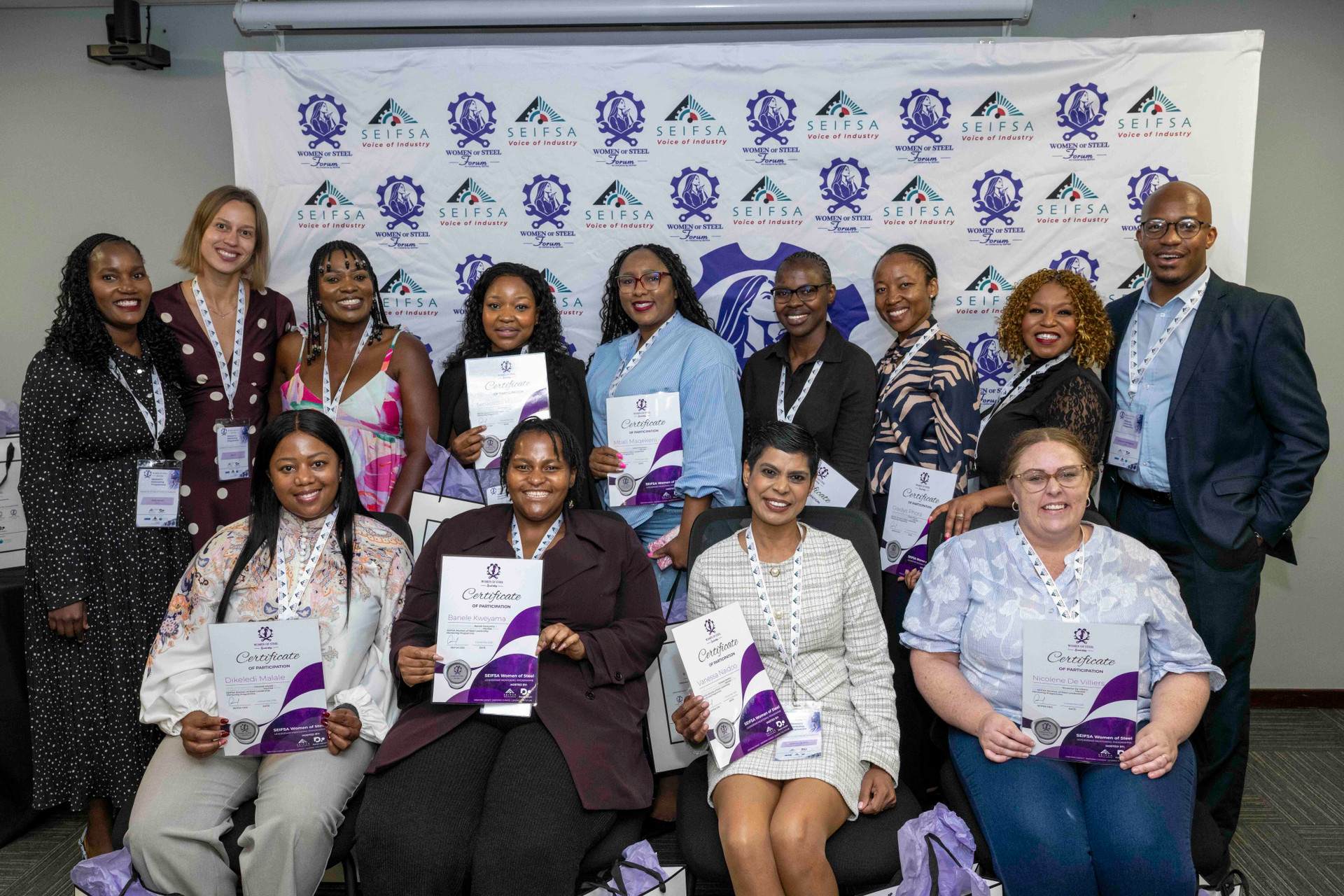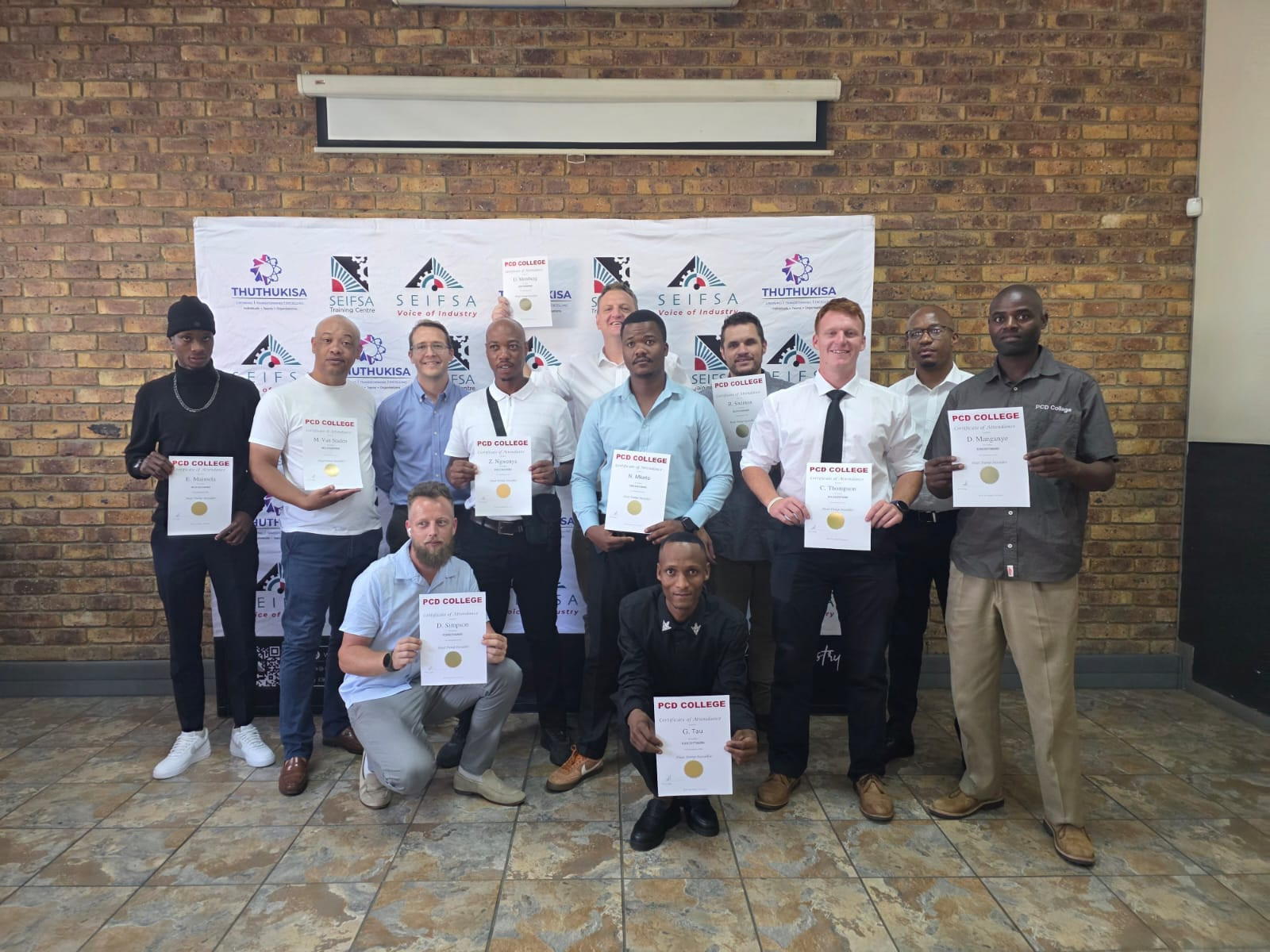
Johannesburg, 5 November 2026 — The Steel and Engineering Industries Federation of Southern Africa (SEIFSA) on Tuesday, November 3, celebrated the graduates of its heat pump training programme, marking a milestone in the development of technical skills that support energy efficiency and sustainable industrial development.
The training programme is part of SEIFSA’s collaboration with the Danish Industry (DI), which supports the competitiveness, sustainability and inclusivity of South Africa’s Metals & Engineering sector.
The DI’s Klaus Lehn Christensen said the programme was about connecting skills development with real opportunities in industry.
“South Africa’s energy transition is not only about new technologies and major investments. Ultimately, those technologies have to be installed, maintained and made to work by people who have the right skills … And that is where you, the graduates, come in.”
Heat-pump technology, which contributes to more energy-efficient hot-water systems, requires skilled technicians to install, test, maintain and repair them, he said.
“You are leaving here with practical skills that can create opportunities not only for employment, but potentially also for entrepreneurship.”
Tafadzwa Chibanguza, Chief Executive Officer of SEIFSA, acknowledged the hard work and dedication of everyone at the SEIFSA Training Centre, including Thuthukisa which manages the centre, and congratulated all the graduates on completing the heat pump installer course.
He said the programme combines two strategic priorities for SEIFSA. First, to help South Africa to use energy more efficiently and reduce the carbon footprint of everyday activities, and second, to develop people who can put those solutions into practice.
“The value of that investment is demonstrated when people leave here better equipped to contribute in the workplace,” he said.
“Our responsibility is to train for current needs while preparing people for the work that is developing around us. Energy efficiency and environmental considerations are increasingly shaping decisions about equipment and buildings.”